Ballet Wear
Be A Stylish Dancer
Ballet Wear has developed enormously for dancers today. Dancers are able to wear luxury leotards with almost an unlimited amount of choice. There are no limits with what kind of ballet clothes you should be wearing, so open your eyes and explore the dance shops!
I love to shop online for ballet wear, it is GREAT to get ideas of outfits for your next ballet class.
The standard outfit for ballet dancers is leotards and pink tights, but there are much more accessories you can buy.
From leg warmers to dance sneakers, you can choose your own style and discover the fashion of ballet.
Ballet dancers mostly always look smart and sleek. As a young training dancer, all of my class had to wear the same uniform so we looked extremely smart altogether.
You could say they were very strict about ballet wear at my school, as we could have no ladders in our ballet tights or ballet buns at the wrong height.
Yet this sort of control sums up the routine of a dancer. You have to be extremely disciplined from your clothes to your work ethic, it all has to be immaculate.
Only when I reached a true professional dancer did I have a taste of real freedom. Suddenly, I did not have to wear my pink tights or uniform leotard. Even if it was only my ballet wear, it felt very bizarre to have this freedom and do what I want.
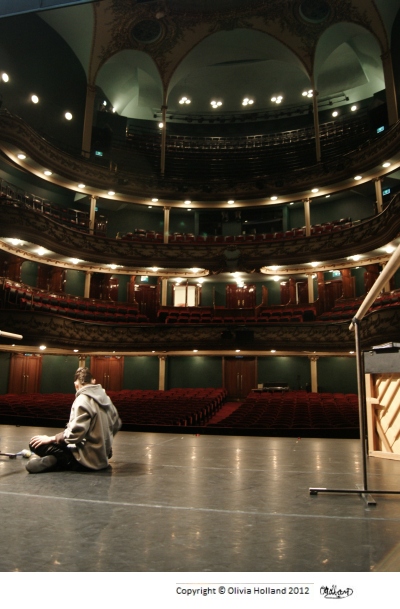
The ballet wear for a professional dancer is more casual than a student. In ballet class, you can keep on your knitted warm-ups and wear your leg warmers or black tights.
Surprisingly, there is hardly anyone is just a standard leotard and pink tights.
Dancers are much more inventive with their ballet wear and go for comfort more than anything.
They wear many layers which is helps keep the muscles warm and body going in between rehearsals.
When ballet was first developing way back in time, there was no specific clothing for the dancers. No leotards or tights, not even extra accessories like leg warmers or knitted shorts. The ballet dancers just wore their normal clothing.
The male ballet dancers wore heavily brocaded tunics and coats, even with wigs and swords belted to their waists. The female dancer's wore stiffly laced long-sleeved bodices with panniered skirts.
Of course, this was a long, long time ago and nowadays this would never happen! It has become the accustomed ballet uniform to wear light fabrics and materials for all the expansive movements and stretches.
A costume designer called Maillot invented ballet tights in the eighteenth century at the Paris Opera. They are a MUST for ballet dancers today, but the complete new item of clothing when they were first brought out. The tights made a dramatic change to ballet.
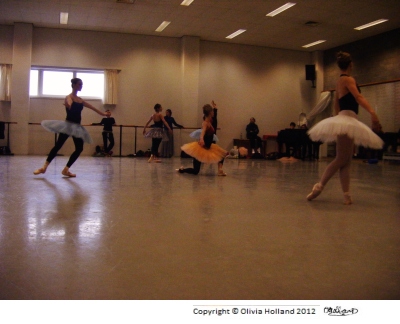
The ballet tights allowed the dancers to feel freedom in their body that no one had experienced before.
Suddenly, the dancers were no longer restricted by heavy clothing.
Back in the day, the choreographers and dancers really benefited from this freedom of movement.
They expanded ballet techniques to became more complex and dramatic, and now ballet has stretched to beyond it's previous limited abilities.
The dancing today is much more athletic, partly due to the clothes that allow much more freedom. The original ballet wear restricted the dancers so much and gave small possibility for any athletic body movement.
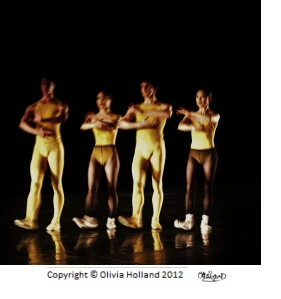
Now, in the 21st Century, it is very common to see ballets onstage with just leotards without skirts or even tights. Especially in more contemporary works, the clothing is stripped to see the bare movement and raw body.
The beauty of a dancer's physique is one of a kind, with such delicate muscle sculpture yet powerful control. It is one that is so carefully designed for dance and now having the chance to be more revealed with today's ballet wear.
return from Ballet Wear to Ballet Dancers Guide homepage or alternatively back to Ballet Costumes


